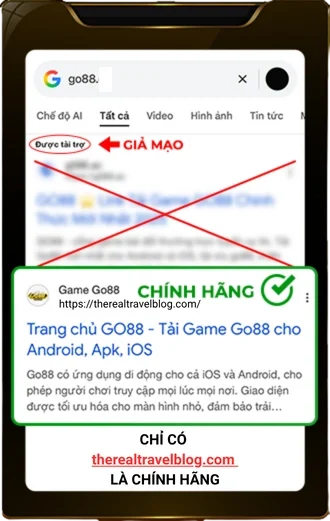

therealtravelblog.com là tên miền mới nhất của GO88




Truy cập therealtravelblog.com để chơi game an toàn.
Không truy cập link giả mạo khác ⛔️ ⛔️ ⛔
Go88 | Cổng Game Bài Đổi Thưởng Nạp Rút 1:1 Xanh Chín
Go88 hiện nay luôn là một trong những cổng game đổi thưởng giữ vị thế hàng đầu trên các bảng xếp hạng danh tiếng Châu Á. Thương hiệu giải trí uy tín sở hữu hàng nghìn tựa game đình đám, giao dịch trả thưởng siêu tốc cùng hệ thống bảo mật nghiêm ngặt. Đây chắc chắn là điểm hẹn lý tưởng để bạn cháy hết mình cùng đam mê và đầu tư thu lợi nhuận cực khủng.

Thông tin chung cần biết về cổng game Go88
Go88 đang khẳng định vị thế độc tôn của mình trong làng giải trí trực tuyến trong nhiều năm vừa qua. Cổng game uy tín cam kết mọi chất lượng sản phẩm dịch vụ được đảm bảo ở mức tuyệt đối, luôn đặt trải nghiệm và quyền lợi của khách hàng làm hạt nhân trung tâm để phát triển.
| TIÊU CHÍ | THÔNG TIN CHI TIẾT |
| Tên thương hiệu | Cổng game Go88 |
| Trụ sở chính | Philippines |
| Website chính thức | https://therealtravelblog.com/ |
| Năm ra mắt | 2019 |
| Giấy phép hoạt động | Sở hữu hàng loạt giấy phép kinh doanh như PAGCOR, Curacao, IOM |
| Sản phẩm cung cấp | Đa dạng các sản phẩm hot nhất, toàn diện và cập nhật xu hướng thị trường game liên tục |
| Phương thức thanh toán | Hỗ trợ đa phương thức như ngân hàng, code Pay, P2P, thẻ cào, ví điện tử, tiền ảo |
| RTP | Tỷ lệ trả thưởng hậu hĩnh, lên đến 97.8% tùy sản phẩm |
| CSKH | Triển khai đa kênh như hotline, live chat và cộng đồng người chơi |
| Số lượng thành viên | Tổng số thành viên ghi nhận là 15 triệu hội viên |
Sự thịnh hành của cổng game đổi thưởng Go88
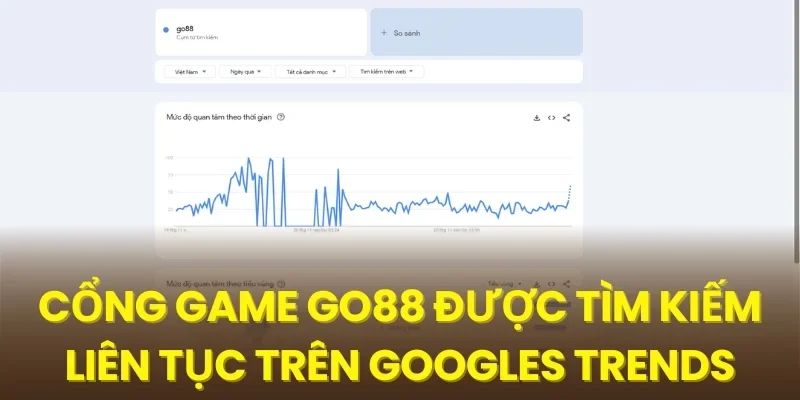
Theo đánh giá ghi nhận từ Google Trends, cổng game có sức hút mạnh mẽ, là từ khóa liên tục được người chơi tìm kiếm trong danh mục sân chơi game đổi thưởng. Theo đó, từ khóa cổng game Go88, khuyến mãi Go88 có lượng tìm kiếm ổn định hàng tháng, đặc biệt là cộng đồng người chơi Việt Nam.
Số liệu cho tiết cho thấy trung bình mỗi năm, lượng tìm kiếm về thương hiệu giải trí này gia tăng khoảng 113-17%, con số mà nhiều tên tuổi lâu năm cũng phải ngưỡng mộ. Cụ thể trong thống kê gần nhất, con số này đã lên đến 79.000 lượt khẳng định sức nóng chưa bao giờ có dấu hiệu hạ nhiệt của sân chơi đình đám hàng đầu này.
Ưu điểm tạo nên danh tiếng bền vững của Go88
Cổng game Go88 được cả chuyên gia trong ngành lẫn cộng đồng người chơi đánh giá cực cao về các điểm cộng làm nên tên tuổi. Những ưu điểm này giúp thương hiệu giữ vững vị thế trên thị trường trực tuyến có nhiều chuyển biến và cạnh tranh như hiện nay.
Thiết kế chuyên nghiệp
Giao diện của cổng game được thiết kế tối ưu, trực quan, giúp người chơi thao tác mượt mà và dễ dàng tìm kiếm trò chơi yêu thích. Mọi chi tiết từ màu sắc, bố cục đến tốc độ tải trang đều được chăm chút kỹ lưỡng.
- Hơn 95% thành viên đánh giá cao về sự thân thiện, dễ thao tác và tiếp cận ngay từ lần đầu.
- Tương thích với 100% thiết bị phổ biến trên thị trường, tải app Go88 dễ dàng cho mọi hệ điều hành.
- Cập nhật giao diện mới 2 lần mỗi năm để cải thiện trải nghiệm ngày càng khắt khe của hội viên
Go88 trả thưởng hậu hĩnh
Cổng game cam kết tỷ lệ trả thưởng cao, minh bạch trong mọi giao dịch, giúp người chơi an tâm khi đặt cược. Các chương trình thưởng và hoàn tiền được triển khai liên tục để tối ưu lợi ích cho hội viên.
- Trên 200.000 lượt nhận thưởng mỗi tuần.
- Tỷ lệ trả thưởng trung bình 97% cho các trò chơi chính.
- Giá trị jackpot có thể lên tới 5 tỷ VNĐ, thu hút đông đảo người chơi săn thưởng.
Giao dịch siêu tốc
Thương hiệu giải trí có quy trình nạp tiền Go88 cũng như lãnh thưởng đa dạng, tiện lợi và linh hoạt hàng đầu. Thao tác được đảm bảo thực hiện chỉ trong vỏn vẹn vài phút là thành công dễ dàng:
- Ghi nhận 98% giao dịch nạp tiền cập nhật ngay lập tức.
- Thời gian rút tiền trung bình chỉ 10-15 phút.
- Có tới 7 phương thức nạp rút được triển khai chính thức hiện nay.
Hỗ trợ tận tâm
Đội ngũ chăm sóc khách hàng của cổng game được đánh giá cao về kênh liên hệ, phản hồi nhanh chóng và đội ngũ chuyên viên am hiểu sản phẩm. Bạn có thể dễ dàng liên hệ khi cần để được hướng dẫn chi tiết và giải quyết toàn bộ vấn đề phát sinh:
- Tỷ lệ phản hồi yêu cầu trong vòng 1 phút đạt 90%.
- Hơn 10.000 lượt hỗ trợ thành công mỗi tuần.
- Đội ngũ hỗ trợ đa ngôn ngữ, đáp ứng nhu cầu người chơi quốc tế.
Gợi ý top siêu phẩm được săn lùng nhiều nhất

Ngay sau khi đăng ký Go88 thành công, bạn sẽ được hòa mình vào đại tiệc giải trí đình đám với các siêu phẩm nức tiếng toàn cầu. Sau đây là gợi ý top game đáng thử nhất, có số lượng truy cập cực kỳ ấn tượng:
| XẾP HẠNG | GAME | LƯỢT TRUY CẬP/ NGÀY |
| 1 | Nổ hũ | 28.500 |
| 2 | Bắn cá | 26.400 |
| 3 | Tài xỉu | 24.100 |
| 4 | Lô đề | 22.300 |
| 5 | Baccarat | 20.600 |
| 6 | Xóc đĩa | 18.900 |
| 7 | Rồng hổ | 16.800 |
| 8 | Bầu cua | 15.200 |
| 9 | Thể thao ảo | 12.700 |
| 10 | Poker | 11.300 |
Các dòng game đang được Go88 cung cấp
Hiện nay, sân chơi Go88 đang cung cấp đầy đủ các sản phẩm game đặc sắc nhất trên thị trường. Toàn bộ dòng sản phẩm đều được chỉn chu cả về chất lượng trải nghiệm lẫn sản phẩm để bạn có được trải nghiệm thăng hoa nhất:
Casino Go88
Tại đây, bạn có thể hòa mình vào trải nghiệm đẳng cấp với hơn 20 bàn chơi trực tiếp, bao gồm Baccarat, Roulette và Sicbo. Tỷ lệ trả thưởng trung bình đạt 97%, đảm bảo mọi ván cược minh bạch, công bằng và hấp dẫn người chơi chuyên nghiệp lẫn tân binh.
Game bài
Hệ thống game bài Go88 cung cấp hơn 15 loại bài phổ biến từ Tiến lên, Phỏm đến Bầu cua. Mỗi ván đều được thiết kế mượt mà, giúp người chơi dễ dàng tham gia và kiểm soát vốn, với hàng tuần có hơn 50.000 lượt ván được đặt.
Slot game
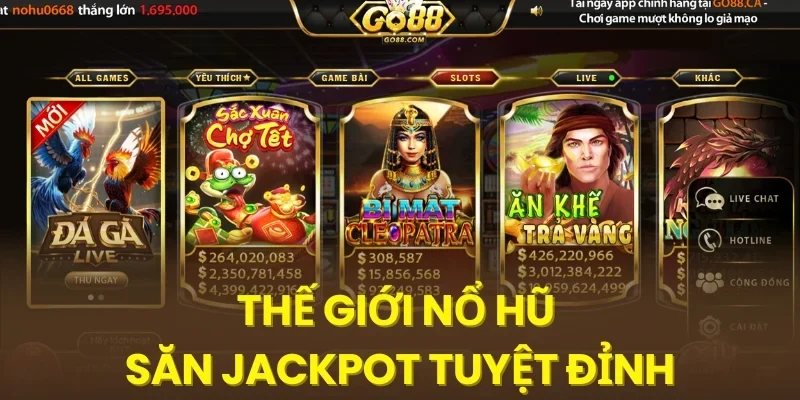
Chuyên mục nổ hũ của cổng game có điểm nhấn với jackpot tối đa 1 tỷ VNĐ. Trung bình mỗi tuần có 2.500 người thắng thưởng lớn, tạo cơ hội đổi đời ngay từ những vòng quay đầu tiên. Tại đây cũng có vô số chủ đề phát lộc phát tài được triển khai với cốt truyện siêu cuốn hút.
Thể thao
Điểm hẹn thể thao Go88 cung cấp hơn 10 môn đấu chính cùng hàng nghìn kèo cược mỗi ngày. Tỷ lệ cược minh bạch, với 2.000 trận được phát trực tiếp và hơn 100.000 lượt đặt cược mỗi tuần.
Bắn cá
Thế giới đại dương mở ra một không gian tuyệt hảo cho ngư thủ với hơn 150+ tựa game khác nhau. Trung bình mỗi ngày có 25.000 lượt tham gia, phần thưởng dao động từ 10.000 đến 500.000 VNĐ cho mỗi trận thắng.
Lô đề
Sân chơi lô đề có đa dạng loại hình quay thưởng, có cả các trò thử vận may chỉ sau vài phút. Bạn chỉ cần tham gia trải nghiệm trong tích tắc là đã mở ra cơ hội kiếm về các phần thưởng có giá trị độc đắc lên đến hàng tỷ đồng siêu hời.
So sánh Go88 với các cổng game khác
Để giúp người chơi có góc nhìn khách quan nhất về cổng game Go88, hãy cùng tham khảo bảng so sánh sau đây để có góc nhìn tổng thể và đa chiều. Nhờ những tiêu chí này, bạn có thể tự nhận định và tin tưởng lựa chọn trải nghiệm sân chơi hoàn hảo này:
| TIÊU CHÍ | Go88 | S***** | B** |
| RTP trung bình | 95% | 89% | 88% |
| Lượt truy cập/tháng | 420.000 lượt | 350.000 lượt | 280.000 lượt |
| Thời gian giao dịch | Khoảng 2 phút | 5 phút trở lên | Từ 15-20 phút |
| Đánh giá từ người chơi | 4.9/5 | 4.1/5 | 4.3/5 |
| Chi phí giao dịch | Miễn phí | Miễn phí | Miễn phí |
| Tỷ lệ phản hồi CSKH | 95% trong 2 phút | 80% trong 5 phút | 85% trong 10 phút |
| Phương thức nạp rút | Ngân hàng, code Pay, P2P, ví điện tử, thẻ cào, tiền ảo USDT, giftcode | Ngân hàng, QR code, ví điện tử, thẻ cào | Ngân hàng, thẻ cào |
| Đối tác | Hơn 100+ đối tác | Khoảng 50 đối tác | 30 đối tác |
Cách nhận diện chuẩn Go88 thật giả
Phân biệt đúng Go88 thật giả được nhiều người chơi quan tâm và tìm hiểu. Chúng tôi hỗ trợ khách hàng nhận dạng website chính thức như sau:
- Trang chủ chính thức: Giao diện thiết kế đẹp mắt, đường truyền ổn định và hình ảnh sắc nét. Logo gõ với đường link chuẩn là .com
- Trang giả mạo: Trang chủ mờ, load chậm và logo không rõ. Hình ảnh hay màu sắc khá tối, làm rối mắt người chơi. Link không chính chủ thường sai chính tả, có nhiều ký tự đặc biệt.
Người chơi có thể liên hệ Go88 chính hãng để nhận link tải app tránh gặp phải lừa đảo nhé!
FAQs xoay quanh cổng game uy tín
Đối với các tân binh lần đầu gia nhập cổng game của chúng tôi chắc chắn sẽ có không ít băn khoăn cần tìm lời giải đáp chuẩn xác. Những thắc mắc này được chúng tôi tổng hợp lại và đi kèm lời giải đáp tường tận để bạn có thể nhập cuộc vui trọn vẹn:
- Go88 có lừa đảo không? Chúng tôi là cổng game uy tín, hoạt động minh bạch và được cấp phép hợp pháp. Toàn bộ giao dịch, nạp rút đều được xử lý rõ ràng và công khai, đảm bảo quyền lợi của người chơi.
- Thực hiện nạp rút ở cổng game mất bao lâu? Quá trình nạp vốn cũng như rút tiền Go88 gần như tức thời, chỉ mất từ 1 -3 phút tùy từng phương thức. Nhưng nhìn chung chỉ trong chốc lát là giao dịch được xử lý kịp thời, đảm bảo người chơi có được trải nghiệm trơn tru nhất.
- Cổng game hiện đã phát triển app chưa? Thương hiệu giải trí đã có ứng dụng chính thức dễ dàng tải về cho cả hệ điều hành Android và iOS. Do đó, dù đang sở hữu điện thoại có hệ điều hành nào đi chăng nữa thì bạn vẫn có thể tải app về điện thoại để trải nghiệm linh hoạt mọi lúc mọi nơi cực kỳ tiện lợi.
- Tôi có thể đăng ký nhiều tài khoản Go88 được không? Mỗi người chỉ nên sử dụng một tài khoản chính chủ để đảm bảo quyền lợi. Trường hợp cần thêm, bạn phải thông báo với bộ phận hỗ trợ để tránh vi phạm quy định.
- Go88 hiện có các phương thức liên hệ nào? Người chơi có thể liên hệ qua hotline, live chat trực tiếp hoặc cộng đồng thành viên. Tất cả kênh đều phản hồi nhanh chóng, hỗ trợ kịp thời mọi vấn đề phát sinh.
Go88 thực sự đã chứng minh được vị thế độc tôn của mình trong làng giải trí tuyến châu Á, quy tụ hàng triệu hội viên lựa chọn tham gia. Với kho game đồ sộ, phương thức giao dịch linh hoạt và tỷ lệ trả thưởng hậu hĩnh, sân chơi liên tục nhận về cơn mưa lời khen không ngớt. Hãy mau chóng đăng ký tài khoản thành viên và săn về các chương trình ưu đãi bùng nổ dành riêng cho bạn.